In-Depth Guide: Safely Navigating the Challenges of Oversized Transport
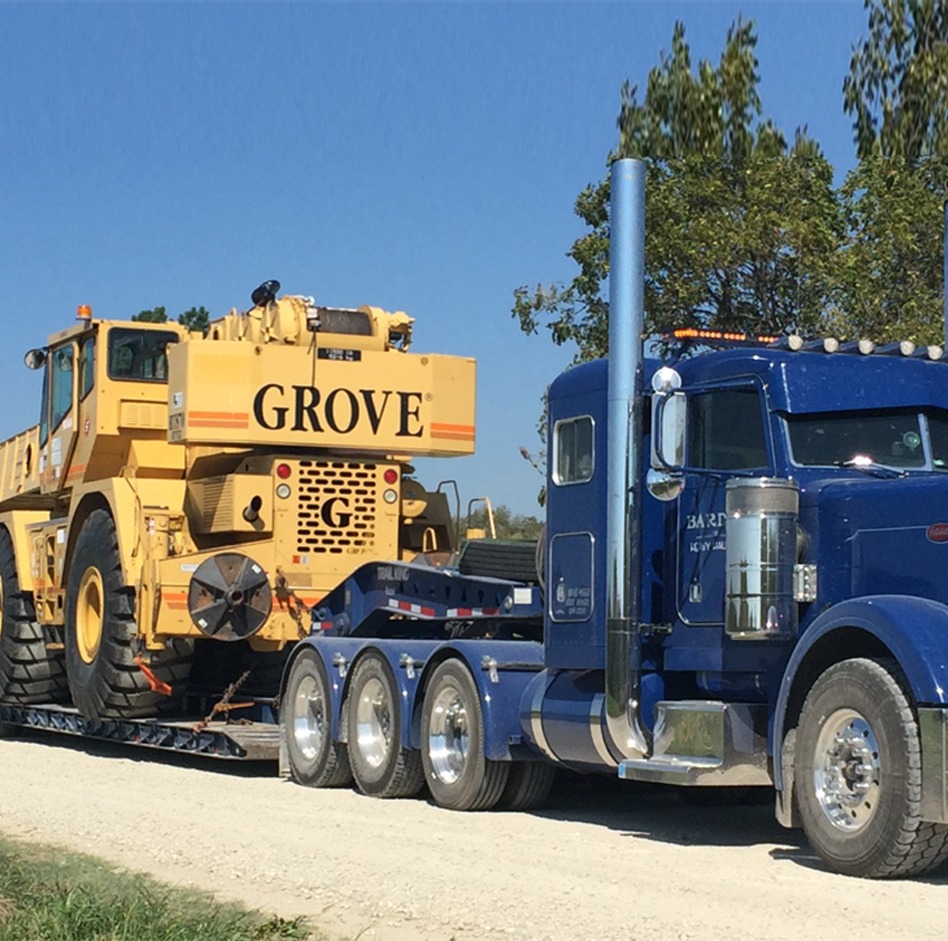
Navigating the challenges of oversized transport can be a complex and daunting task. Transporting oversized loads requires careful planning, coordination, and adherence to various regulations to ensure safety and efficiency. This in-depth guide will provide you with a step-by-step approach to safely navigate the challenges of oversized transport.
Define the Load and Route:
- Clearly identify the dimensions, weight, and characteristics of the oversized load.
- Plan the route carefully, considering potential obstacles like low bridges, narrow roads, and sharp turns.
- Obtain necessary permits for transporting oversized loads in each jurisdiction along the route.
Conduct a Route Survey:
- Send a pilot vehicle or conduct a route survey to assess the feasibility of the planned route.
- Identify potential obstacles, such as overhead obstructions or road construction, which might hinder the transport.
Choose the Right Transporter:
- Select a reputable and experienced transportation company with expertise in handling oversized loads.
- Ensure the transporter has the necessary equipment, such as specialized trailers and vehicles, for the specific load.
Obtain Permits and Clearances:
- Contact the appropriate authorities to obtain the required permits and clearances for each state or country you'll be traversing.
- Be prepared to provide detailed information about the load, route, and safety measures you will implement.
Escort Vehicles and Safety Measures:
- Depending on the size and weight of the load, you may need escort vehicles to accompany the transport.
- Escort vehicles warn other road users about the oversized load and ensure safe passage.
- Implement safety measures like flags, banners, lights, and warning signs to increase visibility.
Communicate with Stakeholders:
- Keep all stakeholders informed about the transportation schedule, including drivers, pilot vehicles, and relevant authorities.
- Establish clear lines of communication for real-time updates and emergencies.
Monitor Weather Conditions:
- Keep a close eye on weather forecasts along the route to anticipate any adverse conditions that might affect the transport.
- Prepare contingency plans in case of inclement weather or natural disasters.
Adhere to Regulations:
- Comply with all local, state, and federal regulations related to oversized transport.
- Follow designated travel times and speed limits to ensure the safety of the transport and other road users.
Secure the Load Properly:
- Use appropriate restraints, such as chains, straps, and binders, to secure the load on the trailer.
- Regularly check and tighten the restraints during the journey to prevent shifting.
Monitor and Adapt:
- Continuously monitor the transport progress and address any emerging challenges promptly.
- Be prepared to adapt the route or schedule if unexpected obstacles arise.
Post-Transport Evaluation:
- After the successful completion of the transport, conduct an evaluation to identify areas for improvement and lessons learned.
- Use this feedback to enhance future oversized transport operations.
Remember, the key to safely navigating oversized transport challenges lies in meticulous planning, adherence to regulations, and effective communication. By following these guidelines, you can significantly reduce risks and ensure a smooth transportation process.


Comments
Post a Comment